Frame
Clarify users, goals, constraints, and the next decision the team actually has to make.
Out: problem statement, archetypesSixteen products for teams carrying real operational weight — ferry planning, wind-farm monitoring, weld auditing, public-sector grant applications. I run the discovery, design the system, and stay until it ships.
Engaged by

One host, a browser link, and 2–10 people playing in the same room — no download before the fun starts.

Affirmations, gratitude and audio as a daily discipline — private by default, bilingual, no subscription.

One prayer for today, a private journal, and sermon notes that never leave the device.

Letters for Kidz, built on a shared multilingual content system so the next app ships without rebuilding it.
Case study in progress — happy to walk through the work directly in the meantime.
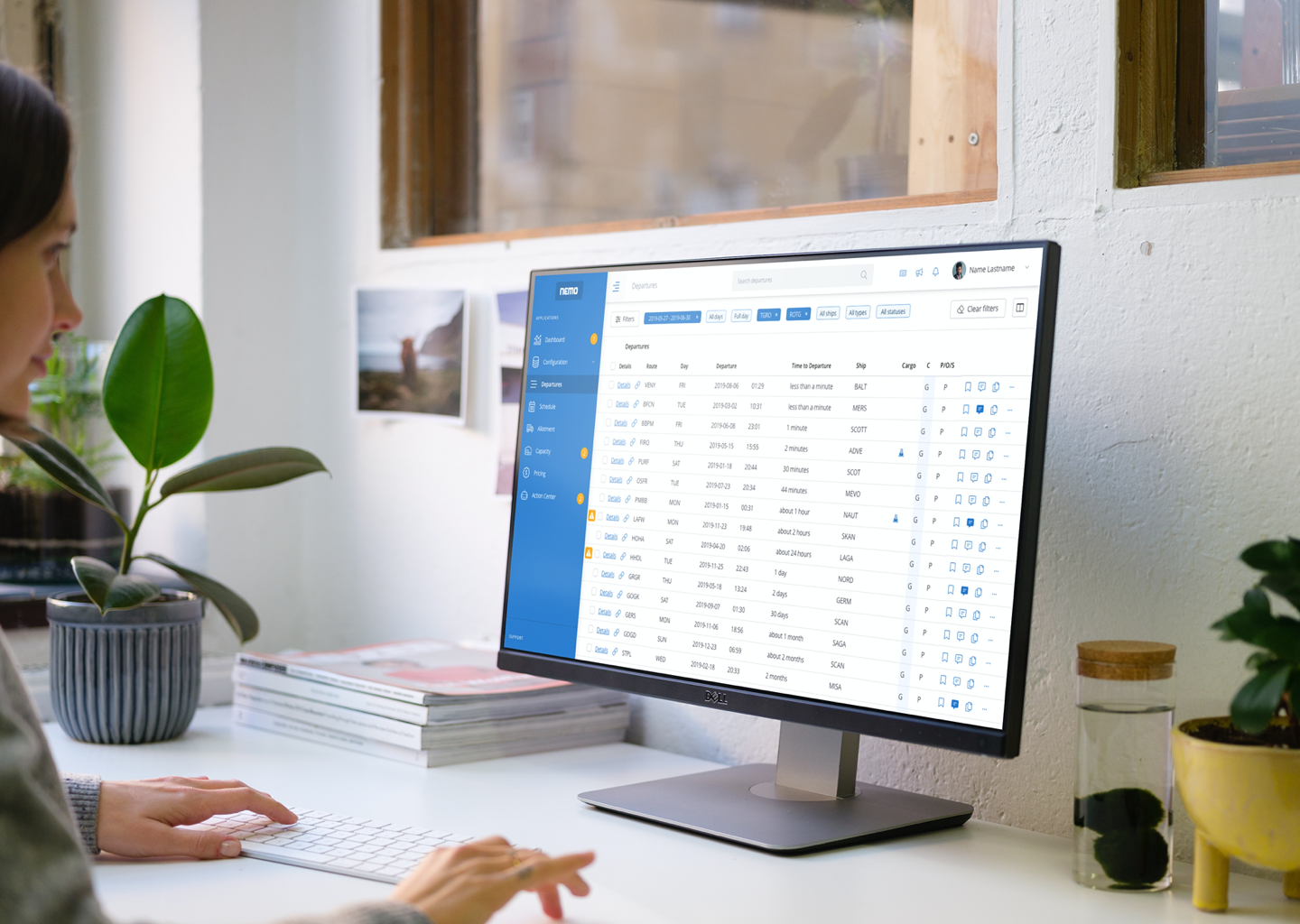
Timetables, allotments, capacity and pricing in one operational surface.
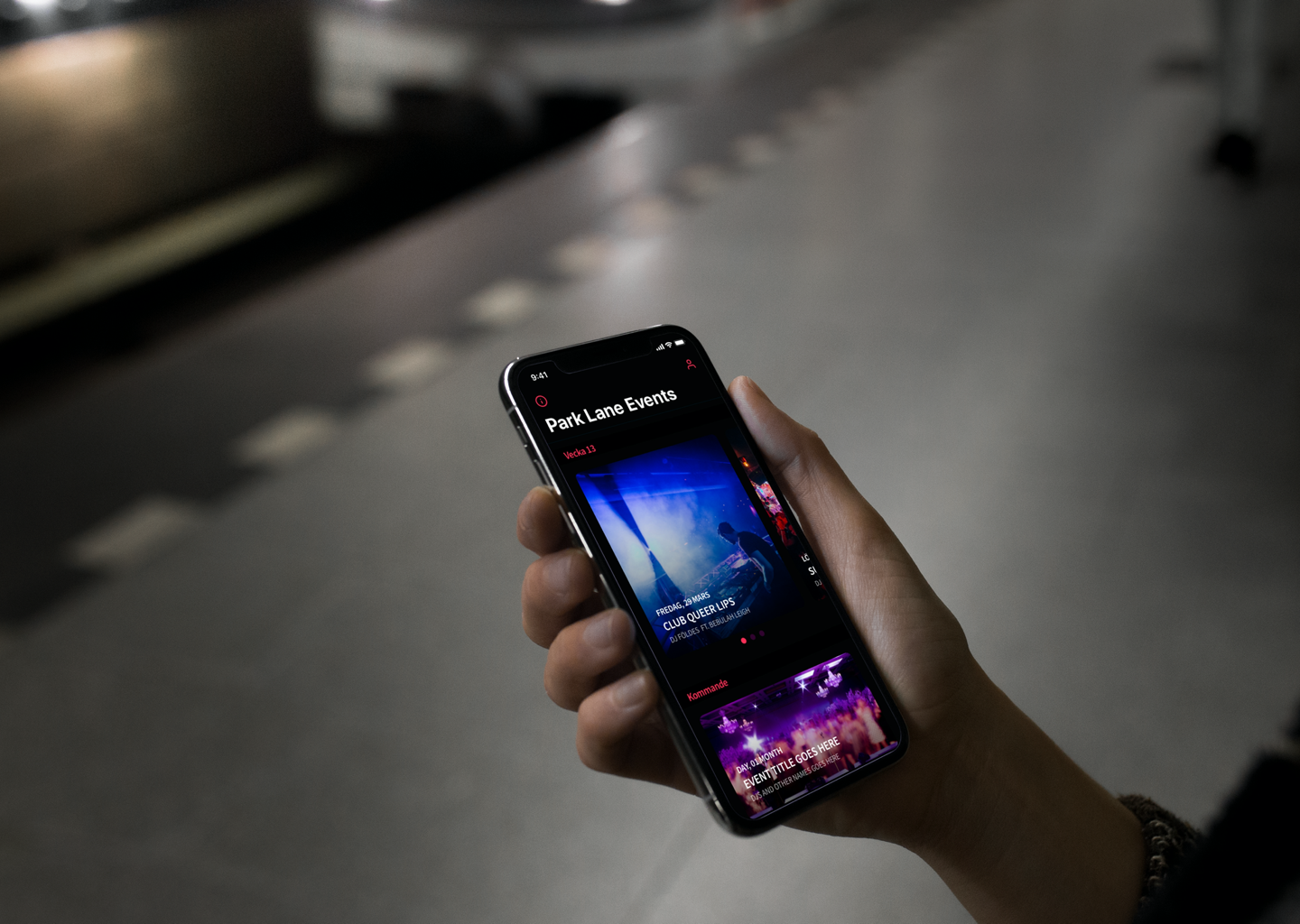
Guest flows, visual design and app behaviour for a venue and hospitality service.
Components, documentation and the implementation support that gets them adopted.
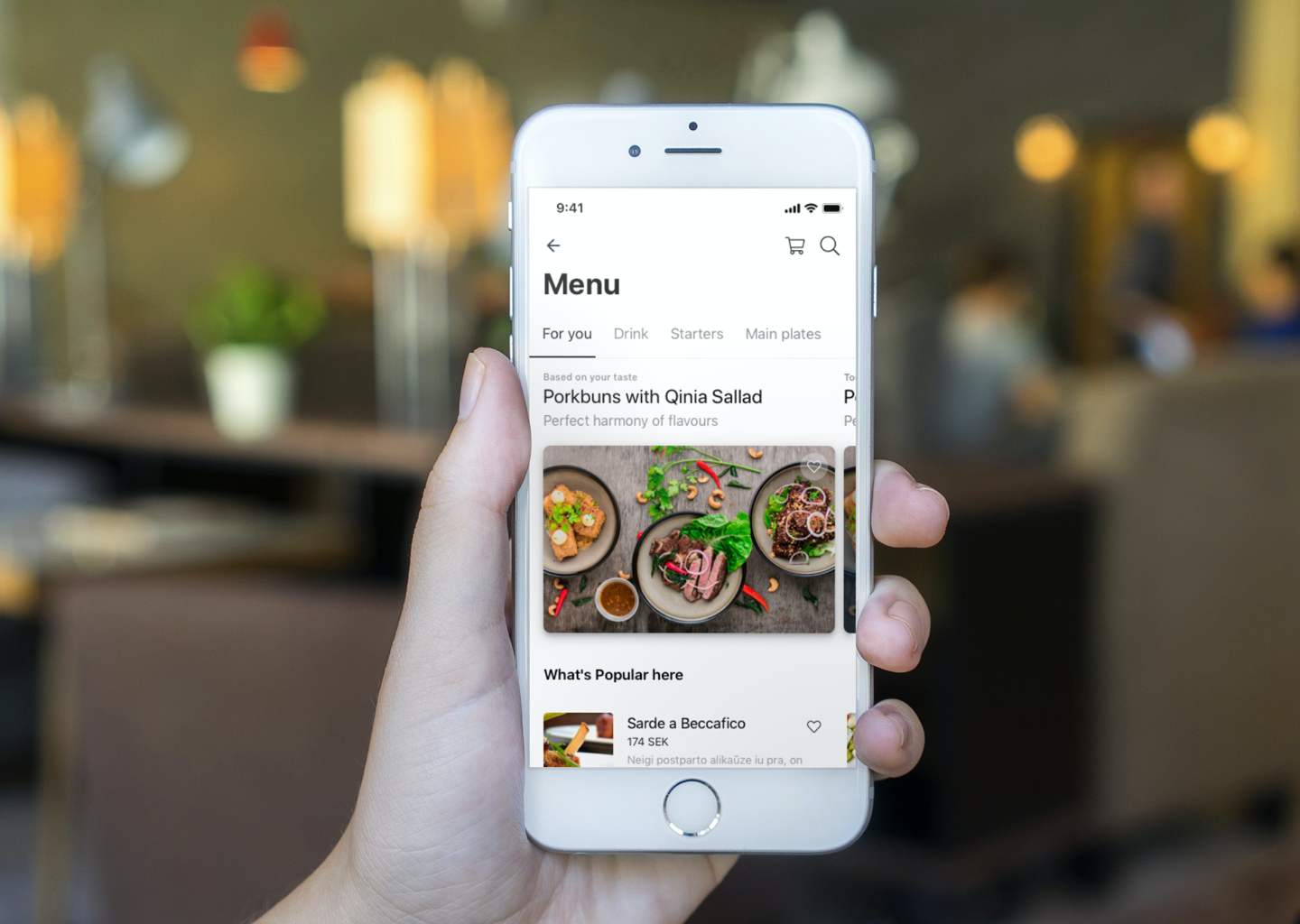
Customer app, staff app, and the service flow that holds them together mid-shift.
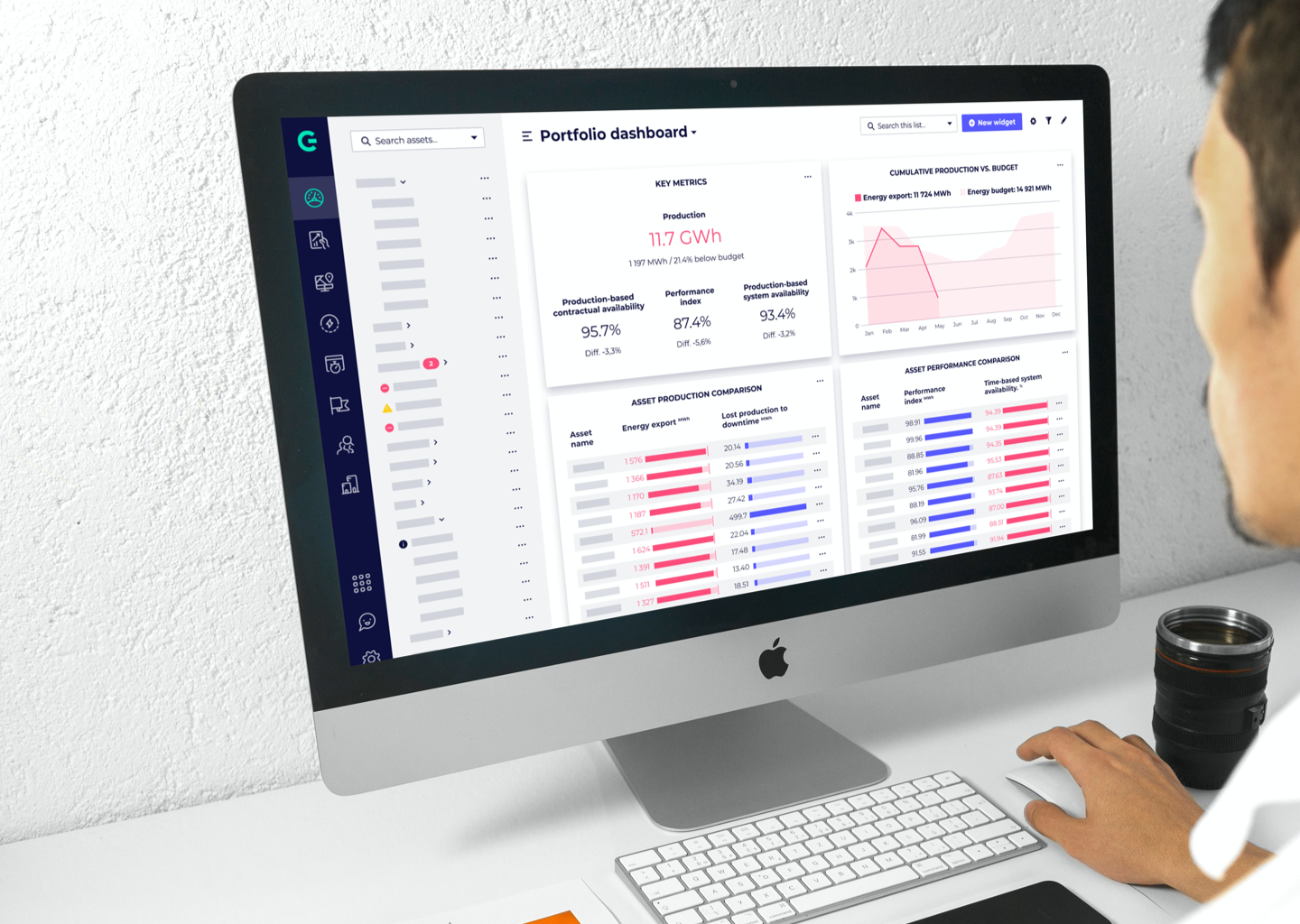
Portfolio-scale monitoring — data visualisation and workflows for asset performance.
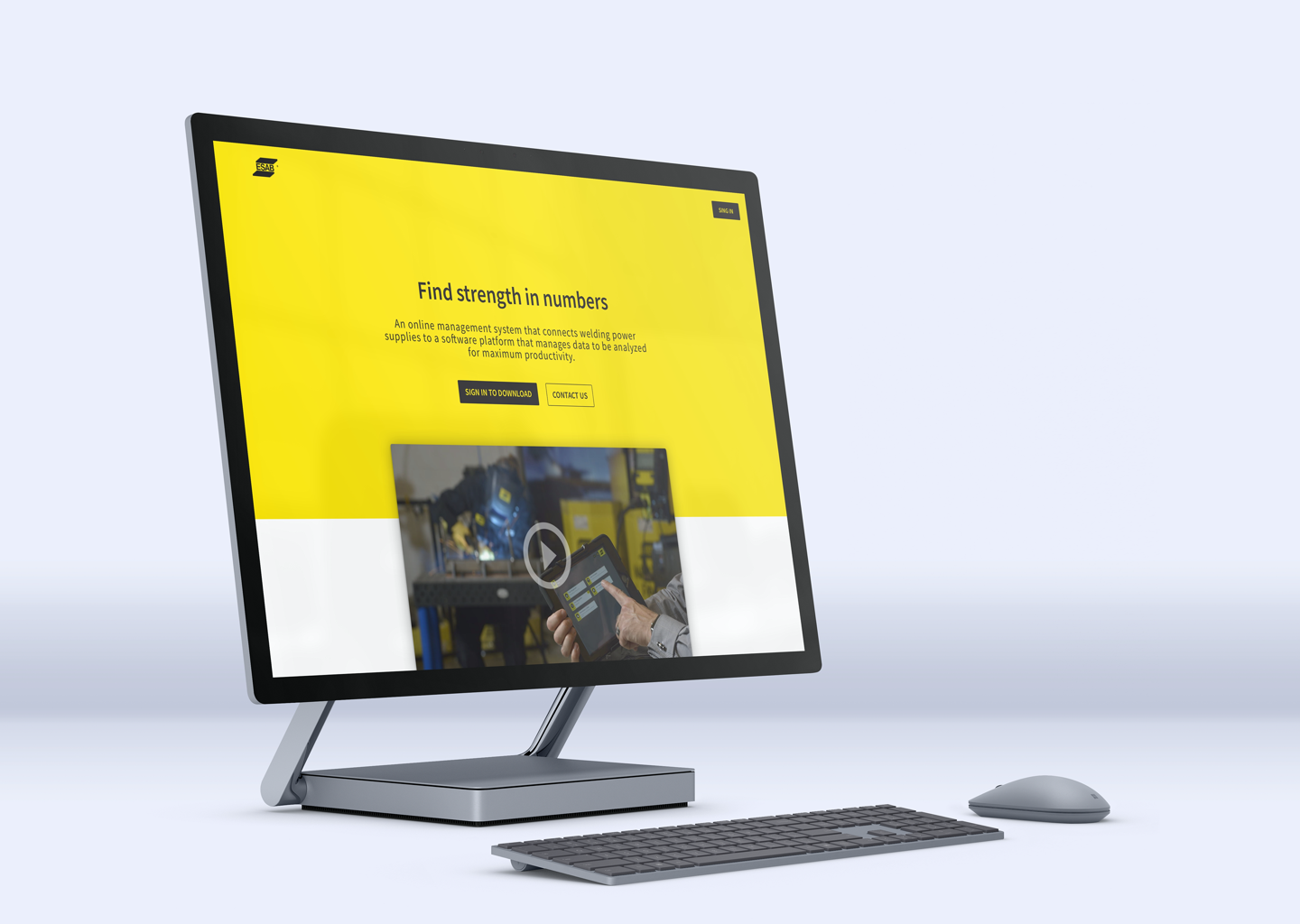
Weld monitoring and audit trails, plus the backlog discipline to keep the UI coherent.
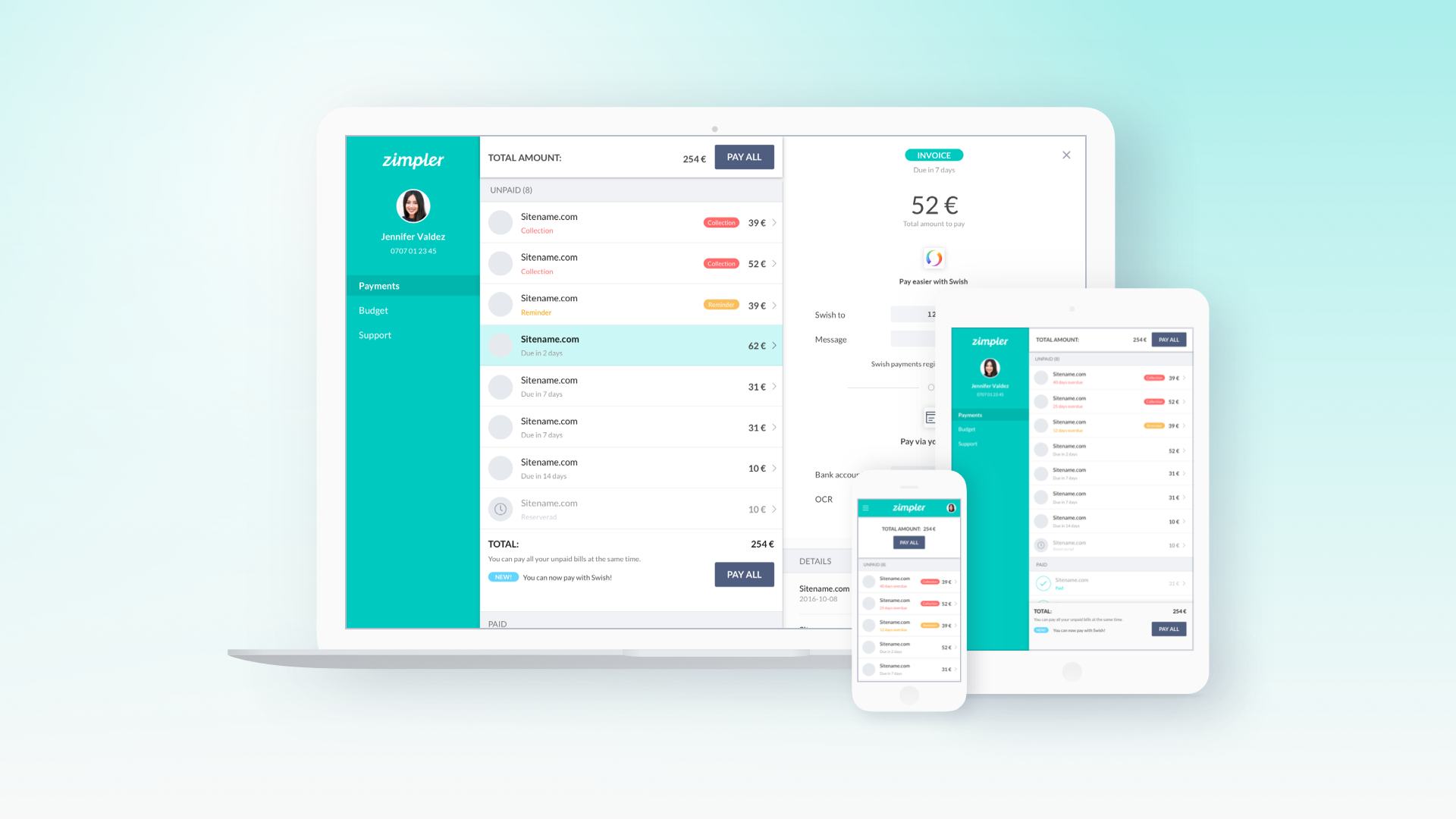
Account and payment services where transaction status has to be unambiguous.
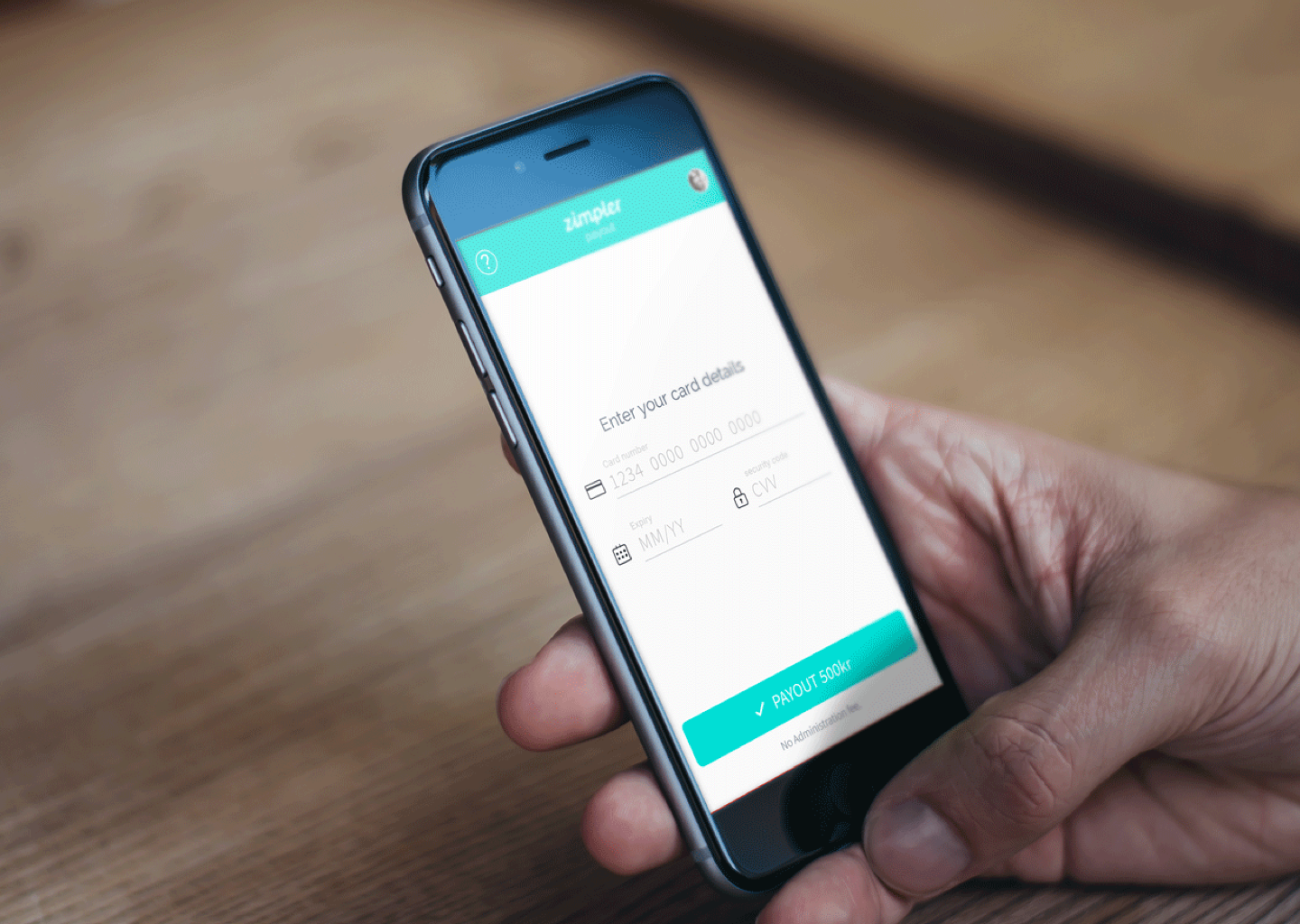
Checkout, account screens and the responsive UI around a mobile payment flow.
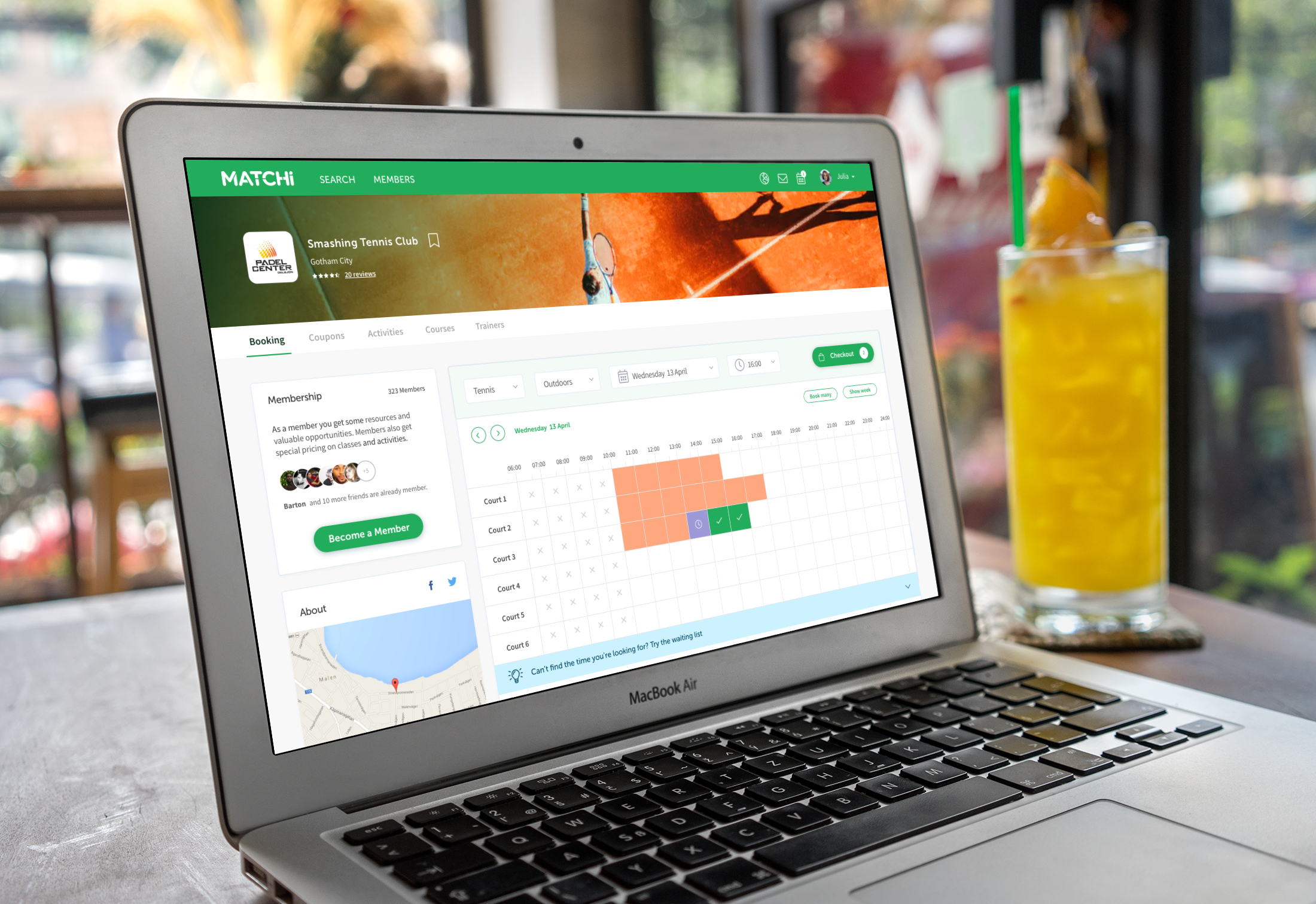
Responsive booking flows for Sweden's largest racket-sport court platform.

Marketplace UX, trust, payments and growth — as founder, CEO and product designer.
Tillväxtverket needed Min Ansökan and Nyps to feel like one thing. Kompass is the component language that got them there — built with the front-end constraints in the room, not discovered afterwards.
| Capability | What it covers | What you get | Depth |
|---|---|---|---|
| UX & product strategy | Research synthesis, journey mapping, information architecture, product framing. | A framed problem and a decision the team can commit to. | |
| Interface design | High-fidelity UI, interaction patterns, responsive layouts, dense data screens. | Production-ready screens engineering can build from. | |
| Design systems | Component libraries, usage guidelines, accessibility patterns, adoption support. | A system your team keeps using after I leave. | |
| Front-end fluency | HTML/CSS implementation, token pipelines, design-to-code handoff. | Specs that survive contact with the codebase. | |
| Team lead | Sprint planning, stakeholder alignment, mentoring, design direction. | A design function that runs without a bottleneck. |
Clarify users, goals, constraints, and the next decision the team actually has to make.
Out: problem statement, archetypesTurn ambiguity into flows, service maps and clickable models you can test this week.
Out: flows, clickable prototypePatterns, components and documentation that make quality repeatable across the team.
Out: component library, tokensSit close to engineering so the product lands well — not just beautifully in Figma.
Out: specs, QA passes, release
I've been the UX lead on a fleet planning tool, the design-system owner inside a public agency, and the founder who had to design and sell the thing himself. That range is the point — I can sit in the strategy conversation and still hand engineering something they can build.
I run Think Heart Co. from Sweden and work with teams across Europe. I fit best with small and mid-sized teams who care about culture, pace and craft — embedded a few days a week rather than parachuted in with a deck.
One of the best I have worked with: driven, passionate, and a loyal perfectionist.
Daniel Ekman · CEO, MATCHi
Two to three days a week inside your team — discovery, design and delivery support alongside your engineers.
MonthlyA fixed engagement to turn scattered UI decisions into a documented, adoptable component library.
6–10 weeksResearch, framing and a tested prototype — enough evidence to commit a roadmap with confidence.
4–6 weeks